



Linalool
$7.00 - $60.00
In stock
SKU:
10017-01
Shipping:
Calculated at Checkout
Price updates on selection
- Bulk pricing
Linalool
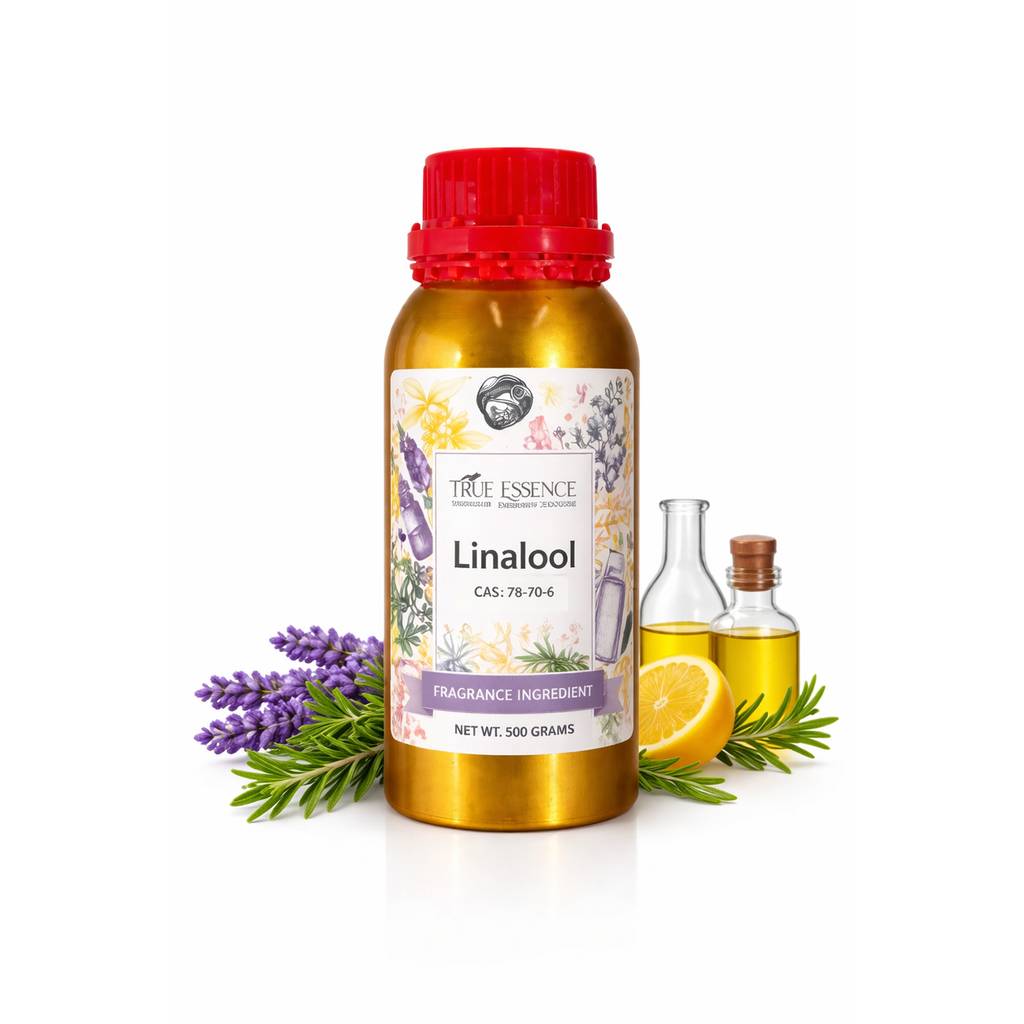
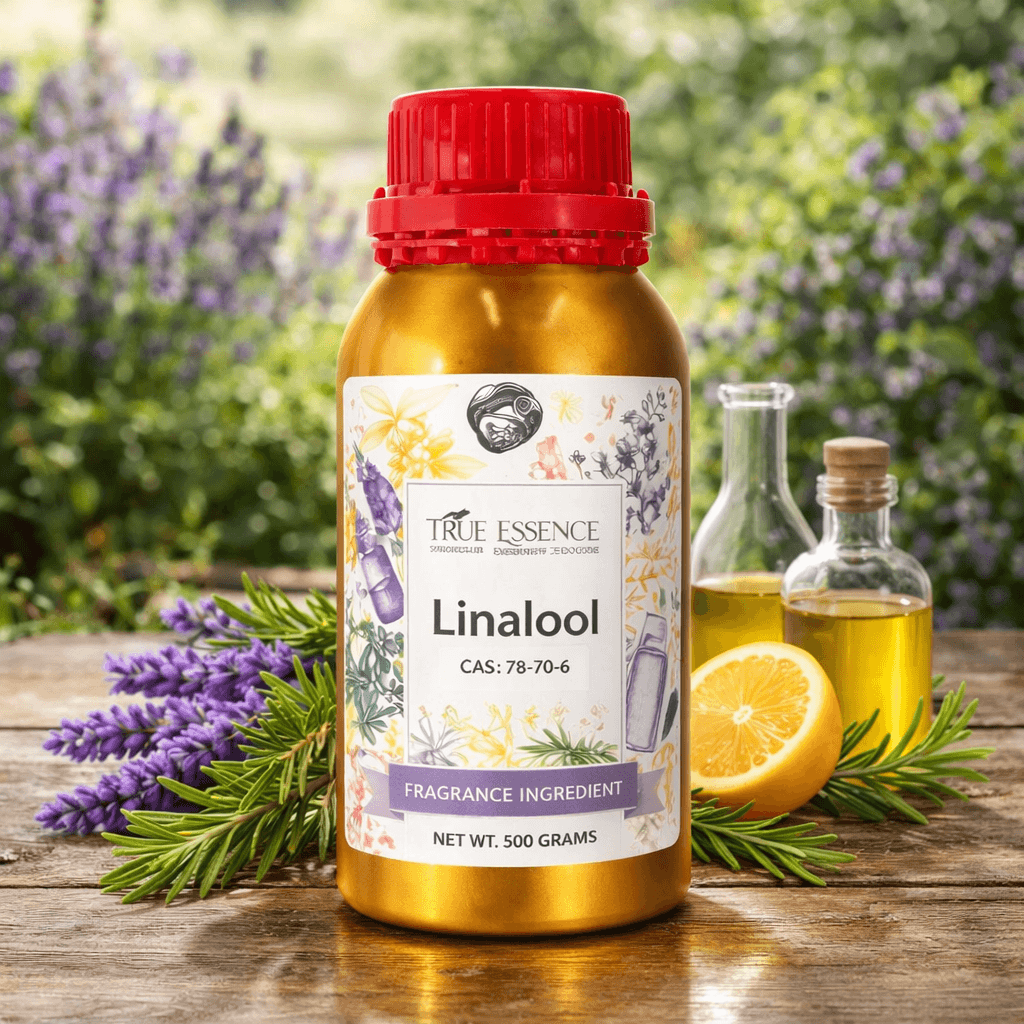
Linalool is one of the most widely used aroma chemicals in perfumery, known for its soft, fresh floral-citrus aroma with delicate woody and slightly sweet nuances. Naturally found in many essential oils such as lavender, coriander, basil, and rosewood, linalool is a key ingredient used to build floral accords and add freshness to fragrance compositions.
In perfumery, linalool acts as a versatile blending material that helps connect citrus top notes with floral heart notes. Its smooth and clean scent profile makes it an essential component in a wide range of fragrance families including floral, citrus, herbal, fougère, and modern fresh compositions.
Linalool is valued for its ability to enhance naturalness in perfumes while adding brightness and diffusion to fragrance formulas. Because of its versatility and pleasant aroma, it is widely used in fine fragrance, soaps, cosmetics, candles, detergents, and personal care products.
Why Perfumers Use Linalool
- Fresh floral-citrus aroma with soft woody nuances
- Excellent blending material for citrus and floral accords
- Adds freshness and diffusion to fragrance compositions
- Commonly used in floral, fougère, citrus, and fresh fragrances
- Enhances naturalness in perfume formulas
- Stable and versatile fragrance ingredient
Common Applications
- Floral perfume compositions
- Citrus fragrance blends
- Lavender and fougère accords
- Soap and detergent fragrance
- Candle and home fragrance products
- Cosmetic and personal care fragrances
Linalool blends exceptionally well with many perfumery materials including lavender oils, citrus oils, geraniol, nerol, rose materials, aldehydes, and modern floral ingredients. It is often used to soften compositions, add brightness, and create a smooth transition between top and heart notes.
Technical Information
CAS Number: 78-70-6
INCI Name: LINALOOL
IUPAC Name: 3,7-Dimethyl-1,6-octadien-3-ol
Alternative Names: Linalool Alcohol
Odour Family: Floral
Classification: Top / Heart Note
Appearance: Colourless liquid
Odour Profile: Fresh floral aroma with soft citrus, lavender-like sweetness, and delicate woody undertones.
Uses: Widely used in perfumery to enhance floral and citrus accords, add freshness, and improve the natural character of fragrance compositions.
IFRA 51: Use according to current IFRA guidelines
- Fast Shipping Ships Quickly
- Free Returns 30 Days
- Safe Payments Trusted Protection